The Emancipation of the Working Woman is best understood as a compact Marxist-feminist dossier rather than a single uninterrupted treatise. The volume opens with a biographical essay on Kollontai, then gathers three key texts: a historical study of the socialist movement among women workers in Europe, the essay Communism and the Family, and Kollontai's report to the Third Congress of the Communist International. The central argument is that women's emancipation cannot be separated from class, labor, and the organization of everyday life. For Beirut readers in the 1970s, the collection functioned as a pointed intervention in debates about labor, socialism, the family, and the political role of women.
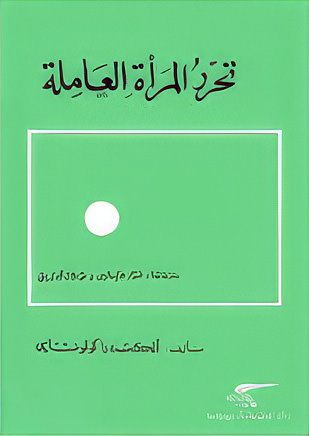
The Emancipation of the Working Woman
تحرر المرأة العاملة
Notes
Third edition, May 1978; first edition circa 1972. Traboulsi translated the biographical introduction and first two texts; Talal al-Husseini translated the third. Page count: 127pp per Birzeit University catalog; 49pp in online scan.